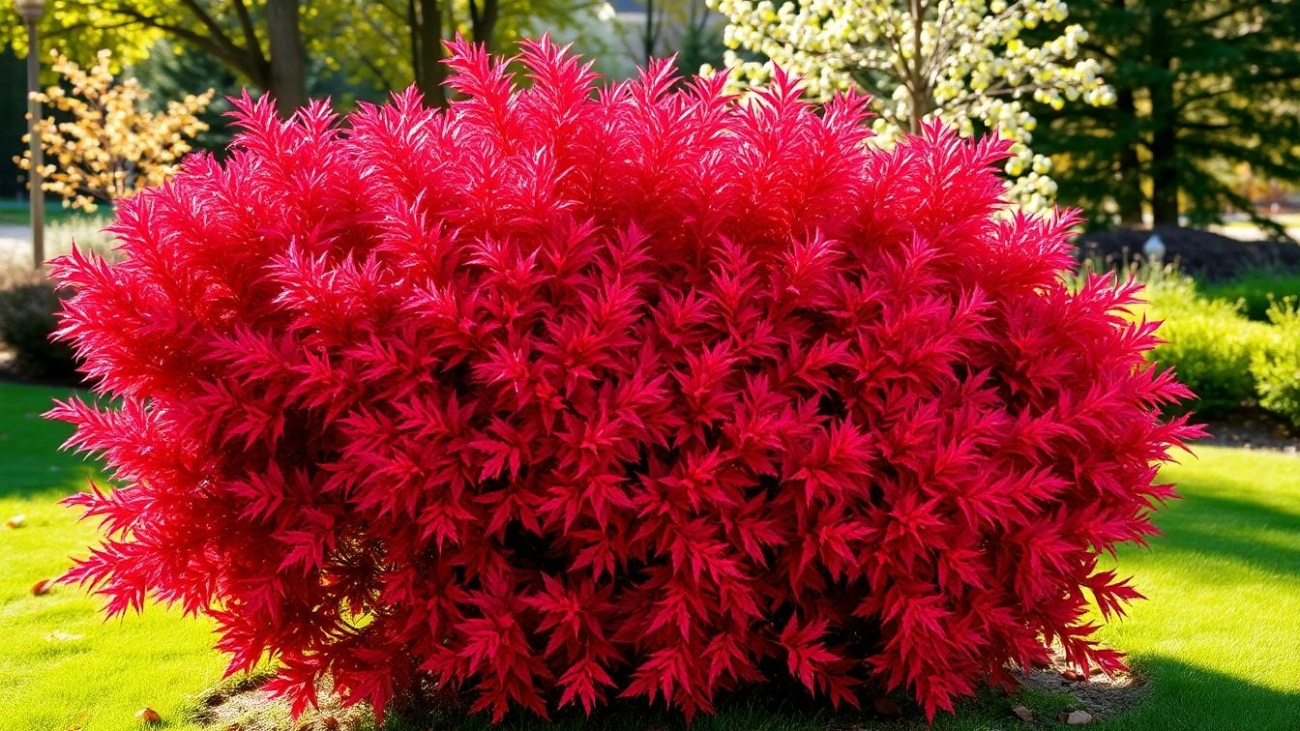
burning bush plant care

Burning Bush Plant Care: Secrets to a Vibrant and Lush Landscape

If you’re looking to add a splash of fiery color to your garden, the burning bush should be at the top of your list. This vibrant shrub isn’t just a pretty face; it’s a low-maintenance superstar that can turn any dull landscape into a visual feast. With its stunning red foliage in the fall, it’s like nature’s way of throwing a party just before winter sets in.

Burning Bush Plant Care

The burning bush, scientifically known as Euonymus alatus, adds stunning visual appeal to landscapes. This deciduous shrub thrives in a variety of soils and exhibits excellent adaptability. Its vibrant red foliage in autumn attracts attention and acts as a focal point for gardens. Many gardeners appreciate its low-maintenance characteristics, which simplify cultivation.

This plant typically grows between 6 to 10 feet in height, with a similar spread. Shape and size can vary based on pruning practices. Ideal planting locations feature full sun to partial shade, promoting optimal growth. Typically, the burning bush prefers well-drained soil, though it withstands drought once established.

In addition to its aesthetic appeal, this shrub supports biodiversity. The berries produced in late summer serve as food sources for birds. Effective at stabilizing soil, it reduces erosion in garden beds and borders. Maintenance consists mainly of periodic pruning to maintain desired shapes and sizes.

Winter months display the burning bush’s stark gray branches against snow, creating a striking contrast. For maximum color vibrancy, regular water and nutrient feeding help sustain its health. Several gardeners prefer using organic mulch to preserve soil moisture and regulate temperature around the roots.

Common pests and diseases that affect this plant include scale insects and leaf spots. Vigilance and prevention measures keep these issues at bay. Regular checks and prompt actions minimize potential damage, ensuring the plant remains healthy and lush. As a resilient and visually striking option, the burning bush proves to be a valuable addition to any landscape.

Ideal Growing Conditions
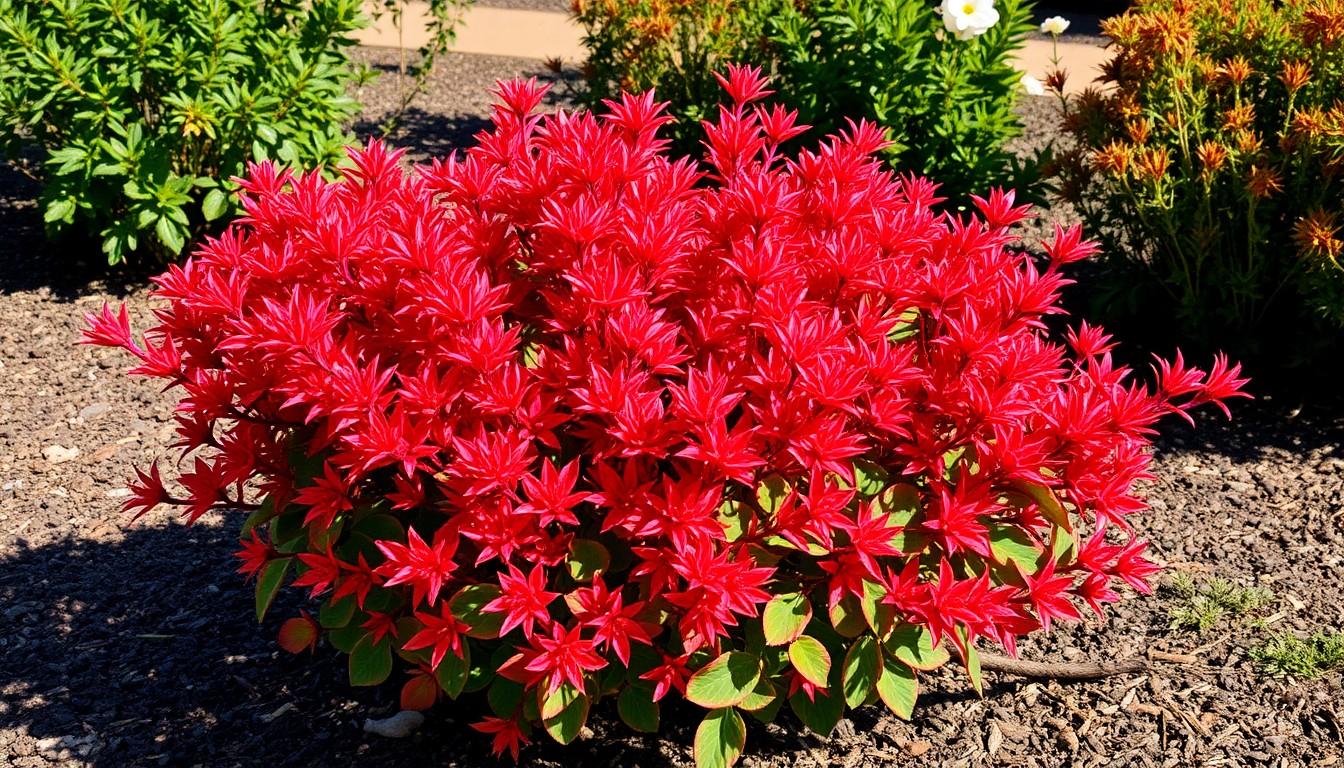
Burning bush thrives best when provided with optimal growing conditions. Planting in the right environment ensures vibrant foliage and healthy growth.

Soil Requirements

Burning bush prefers well-drained soil, which helps prevent root rot. Sandy loam or clay loam works well, given their drainage and nutrient-holding capability. Nutrient-rich soils support healthy growth, though this shrub adapts to poor soils. pH levels between 6.0 and 7.0 create a balanced environment. Mulching aids in moisture retention while preventing weed competition.

Sunlight Needs

Full sun exposure maximizes the burning bush’s color vibrancy, particularly during the fall months. Positioning it in a location that receives at least six hours of direct sunlight daily promotes robust health. Partial shade can also support growth but may reduce the intensity of fall color. Consistent sunlight helps the shrub develop its lush foliage and overall structure.

Temperature Preferences

This resilient plant prefers temperate climates, thriving in USDA hardiness zones 4 through 8. It withstands winter temperatures down to -30°F (-34°C), making it suitable for varied regions. Increased heat during summer encourages vigorous growth, but extreme heat should be monitored. Generally, burning bush acclimates well, showcasing adaptability to changing seasonal temperatures.

Watering and Fertilization

Proper watering and fertilization are essential for keeping the burning bush healthy and vibrant. These practices enhance its growth and color display throughout the seasons.

Watering Schedule

Establishing a consistent watering schedule supports the burning bush’s development. Water the shrub deeply once a week during dry spells, ensuring the soil remains moist but not soggy. After establishing, this plant tolerates short periods of drought; however, regular watering fosters lush foliage. Monitor soil dryness by checking a few inches beneath the surface. Adjust the frequency based on rain conditions and seasonal changes.

Fertilization Tips

Selecting the right fertilizer promotes the burning bush’s health and bright coloration. During early spring, apply a balanced, slow-release fertilizer to encourage robust growth. An NPK ratio of 10-10-10 or similar works well. Follow instructions for application rates, ensuring not to over-fertilize, which can damage roots. Reapply in mid-summer if growth appears sluggish. Organic options, like compost, enrich the soil and improve nutrient availability.

Pruning and Maintenance

Pruning and maintenance play vital roles in keeping the burning bush healthy and attractive. Regular attention ensures optimal growth and an appealing shape throughout the seasons.

Best Time to Prune

Prune the burning bush during late winter or early spring before new growth begins. This timing encourages robust growth and allows for better shaping of the shrub. Late winter pruning helps minimize stress on the plant since it’s in dormancy. Avoid pruning in late summer or fall as removal of growth may expose the shrub to cold temperatures, leading to potential damage. Keeping this schedule supports vibrant foliage and a strong structure.

Techniques for Pruning

Use sharp, clean pruning shears to make clean cuts on the burning bush. Focus on removing dead or diseased branches to enhance airflow within the plant. Thin out overcrowded areas to promote healthy growth and prevent disease. Cutting back selected stems by one-third encourages branching and fullness. Always make cuts at a slight angle to prevent water accumulation and foster quicker healing. This method improves overall aesthetics while maintaining the shrub’s vitality.

Pests and Diseases

Burning bush plants can face specific pests and diseases affecting their health and appearance. Identifying these threats early ensures effective management and maintenance.

Common Issues

Scale insects often appear on burning bush, creating sticky honeydew and attracting ants. Leaf spots can develop from fungal infections, causing unsightly marks on leaves. Aphids may also infest the plant, leading to curled leaves and stunted growth. Additionally, root rot occurs when the plant’s roots sit in overly wet soil, compromising the plant’s overall vitality. Awareness of these common issues enables quick action.

Prevention and Treatment

Regular monitoring helps detect pests and diseases early. Using insecticidal soap can effectively control scale insects and aphids on the foliage. Maintaining proper drainage reduces the risk of root rot, promoting healthy growth. Fungicides also treat fungal leaf spots, helping restore leaf appearance. Pruning affected branches minimizes the spread of infections. Following these prevention and treatment steps ensures the burning bush remains healthy and vibrant.

Striking Addition to Any Garden

The burning bush stands out as a striking addition to any garden. Its vibrant fall colors and adaptability make it a favorite among gardeners. With proper care including suitable watering and fertilization techniques it can thrive for years. Regular pruning ensures it maintains its shape and health while keeping an eye out for pests and diseases will help preserve its beauty.

By following the guidelines outlined in this article anyone can enjoy the stunning display this shrub offers. As a resilient plant that supports local wildlife and enhances landscapes the burning bush truly deserves a place in every garden enthusiast’s collection.


what degree do you need for interior design

What Degree Do You Need for Interior Design? Exploring the Best Educational Paths

Diving into the world of interior design is like stepping into a canvas where creativity meets functionality. Many aspiring designers wonder what educational path they should take to turn their passion into a thriving career. While there’s no one-size-fits-all answer, understanding the degree options can help you carve out a successful niche in this vibrant industry.

I’ve noticed that the journey to becoming an interior designer often starts with a blend of formal education and hands-on experience. Some opt for a bachelor’s degree in interior design, which provides a solid foundation in design principles, space planning, and computer-aided design. Others might choose related fields like architecture or fine arts to broaden their perspective. Ultimately, the right degree can set the stage for your creative vision to flourish, opening doors to diverse opportunities in residential, commercial, and even sustainable design.

Key Takeaways

  • Aspiring interior designers often choose between a bachelor’s or associate degree in interior design, both providing essential skills in design principles and practical experience.
  • Accreditation, such as CIDA, ensures quality education, while licensing, through exams like the NCIDQ, is crucial for legal practice and professional credibility in interior design.
  • Alternative educational paths, including certificate programs and online courses, offer flexible learning options for those seeking targeted skills or career transitions into interior design.
  • Interior designers need a combination of creativity, technical proficiency in design software, and strong communication skills to successfully realize client visions and tackle design challenges.
  • Career opportunities are vast, ranging from residential to commercial design, with specializations like sustainable design and advancements in virtual reality expanding the field’s potential.

What Degree Do You Need for Interior Design

Interior design is crafting functional and aesthetically pleasing indoor spaces. Designers utilize creativity and technical knowledge to transform environments, improving both form and function. This field involves an understanding of architecture, color theory, and ergonomics, requiring a blend of artistic and scientific skills.

Designers tackle various projects, from residential spaces like apartments and houses to commercial areas like offices and retail stores. In these settings, they consider factors such as lighting, texture, and spatial relationships to achieve desired results. Designers also address sustainable practices, incorporating eco-friendly materials and energy-efficient solutions into their plans.

Effective interior design integrates client needs with creative concepts. Meeting clients’ preferences demands excellent communication skills and the ability to visualize spaces from their perspective. By keeping updated with design trends and technological advancements, professionals can deliver innovative solutions.

Educational Requirements for Interior Design

Aspiring interior designers benefit from formal education to gain essential skills and knowledge. A degree can significantly enhance one’s expertise and career prospects.

Bachelor’s Degree in Interior Design

A bachelor’s degree offers comprehensive training in key areas such as design principles, space planning, and architecture. Students get hands-on experience through projects and internships, preparing them for real-world challenges. The curriculum often covers subjects like color theory and sustainable design, essential for creating eco-friendly environments. With a bachelor’s degree, graduates can explore diverse opportunities in residential and commercial design.

Associate Degree in Interior Design

An associate degree provides a foundational understanding of interior design concepts. It typically covers basic design techniques, CAD software, and textile selection within a shorter timeframe than a bachelor’s degree. While it’s ideal for entry-level positions, further education or certifications may enhance career advancement. This degree offers a quicker path into the industry, focusing on practical skills needed for various design settings.

Importance of Accreditation and Licensing

Accreditation and licensing significantly impact an interior designer’s career path. Ensuring education meets industry standards and fulfilling legal requirements are vital steps.

Importance of CIDA Accreditation

CIDA Accreditation ensures quality education. When programs receive CIDA (Council for Interior Design Accreditation) approval, they meet high academic standards. Graduating from a CIDA-accredited program demonstrates that one’s education includes up-to-date industry-relevant content. It’s essential for credibility in the field and aligns with professional practices.

Licensing Requirements for Interior Designers

Licensing ensures individuals practice interior design lawfully. Many states require passing the NCIDQ (National Council for Interior Design Qualification) exam, showcasing proficiency in health, safety, and welfare concerns. Holding a license often necessitates completing education and work experience, bolstering a designer’s professional standing. Licensing not only validates expertise but also enhances trust with clients and employers.

Alternative Educational Paths

Some aspiring interior designers explore non-traditional routes to gain expertise and credentials in this dynamic field. Options like certificate programs and online courses offer flexibility and targeted learning.

Certificate Programs

Certificate programs offer focused education in interior design. These programs provide specialized knowledge in areas like color theory, drafting, or digital design. They’re often shorter in duration than degree programs and can strengthen specific skills quickly. Entry into these programs usually requires a high school diploma, making them accessible for a wide range of learners. Many colleges and design schools offer evening or part-time schedules to accommodate working individuals. Earning a certificate could be advantageous if one seeks to pivot into interior design without committing to a full degree program.

Online Courses and Workshops

Online courses and workshops provide convenient learning opportunities for design enthusiasts. Offered by platforms like Coursera and Udemy, these courses cover diverse topics, from basic design principles to advanced software tutorials. They allow learners to gain practical skills at their own pace, often guided by industry experts. Webinars and live workshops also enrich learning by providing interactive sessions. This format suits those wanting to start a design career or enhance existing skills while balancing other commitments. Online learning helps build a portfolio, crucial for attracting clients and employers in the competitive design industry.

Skills and Competencies Required

Interior design demands a blend of artistic talent and technical knowledge. I consistently meet client needs by combining creative vision with practical skills. Proficient communication helps to understand client preferences and translate them into design solutions effectively. Key skills include:

  • Creativity: I use innovative designs to create aesthetically pleasing and functional environments.
  • Technical Skills: Possessing knowledge of software such as AutoCAD, SketchUp, and Adobe Creative Suite facilitates creating digital renderings and plans.
  • Problem-Solving: I address challenges like space limitations and budget constraints by devising effective solutions.
  • Attention to Detail: Ensuring that every element, from color schemes to spatial layouts, aligns with the overall design vision enhances the final outcome.
  • Project Management: Managing timelines and coordinating with contractors ensures projects are completed on schedule.

Understanding these competencies enhances my ability to produce distinctive and successful interior design projects.

Career Prospects and Opportunities

Interior designers have diverse career paths available to them, leveraging their creativity and technical skills across various sectors. Residential design offers the chance to personalize and enhance private living spaces, catering to individual client tastes and needs. In the commercial sector, opportunities exist to design functional and appealing environments in offices, retail spaces, and hospitality venues.

Specialization can boost prospects significantly. For instance, sustainable design focuses on creating eco-friendly spaces, incorporating renewable materials and energy-efficient solutions. Healthcare design demands environments that meet stringent safety and accessibility standards, enhancing patient and staff experience.

Advancement in technology has also opened doors in virtual and augmented reality design, where designers create immersive experiences for clients. Freelancing provides flexibility, allowing designers to operate independently, manage projects, and build a personal brand. Additionally, roles in project management or design consultancy serve as pathways to leadership positions, utilizing strategic skills to guide large-scale projects.

Building a Career as an Interior Designer

Choosing the right educational path in interior design is crucial for building a successful career. Whether it’s a bachelor’s degree, an associate degree, or alternative certifications, each option offers unique benefits that cater to different career goals. Accreditation and licensing further enhance credibility and trust, essential for professional growth. The evolving field of interior design presents diverse opportunities, from residential and commercial spaces to specialized areas like sustainable design. By continually developing skills and staying updated with industry trends, aspiring designers can create innovative and functional spaces that meet the needs of clients and the demands of the modern world.